
First Camping Trip Checklist: What to Pack (and What to Skip)
Updated October 2026 · 4 min read
Quick answer
For a first car-camping trip you need a tent, a sleeping bag and pad for each person, a stove and simple cook kit, a cooler, water, a headlamp, warm layers and rain gear, and a first aid kit. Pack by category, test your tent at home, and pick a campground with toilets and water.
Your first camping trip doesn't need expensive gear or a huge packing list. It needs a few core items that keep you dry, warm, fed, and able to see after dark. This checklist covers car camping at a campground — the easiest way to start — with everything grouped so nothing gets forgotten.
1. Shelter
- Tent — big enough for everyone plus some bags. Not sure? Read what size tent do I need.
- Tent footprint or tarp — goes under the tent to protect the floor and keep water out. See tent footprints.
- Extra stakes and a mallet — the stakes that come with tents are often weak.
- A second tarp (optional) — hang it over the picnic table as a rain shelter. See camping tarps.
2. Sleep system
- Sleeping bag for each person, rated a little colder than the lowest temperature in the forecast. See sleeping bag temperature ratings explained.
- Sleeping pad or air mattress — this matters as much as the bag, because the ground pulls heat out of you. See best sleeping pads or camping air mattresses.
- Pillow — a camp pillow or your pillow from home.
- Extra blanket — easy insurance on a cold night.
3. Camp kitchen
- Camp stove and fuel — a two-burner propane stove is easiest for car camping. See best camping stoves.
- Lighter or matches — bring two.
- Pot, pan, and cooking utensils — a spatula, a spoon, and a knife. See cookware sets.
- Plates, bowls, cups, and eating utensils.
- Cooler with ice — see best camping coolers and how to keep a cooler cold.
- Water — about a gallon per person per day for drinking and cooking, unless the campground has safe water. See water containers.
- Dish soap, sponge, a wash bin, and trash bags.
Keep meals simple the first time: pre-made chili or pasta sauce, hot dogs, sandwiches, oatmeal, and eggs. Prep and chop at home.
4. Light
- A headlamp for each person — keeps your hands free for cooking and the bathroom walk. See best headlamps.
- A lantern for the picnic table or inside the tent. See camping lanterns.
- Spare batteries or a charged power bank.
5. Clothing
Nights are colder than you expect, even in summer. Pack in layers:
- Base layer or comfortable clothes for sleeping — dry ones you only wear at night.
- A warm fleece or puffy jacket.
- A rain jacket, even if the forecast looks dry.
- Warm hat and extra socks.
- Sturdy shoes plus camp sandals or slip-ons.
6. Safety and essentials
- First aid kit — see camping first aid kits.
- Multitool or knife — see best multitools.
- Sunscreen and insect repellent.
- Toilet paper, hand sanitizer, and a small towel.
- Phone charger or a small power bank.
- Campground reservation and directions saved offline — many campgrounds have no signal.
7. Comfort (nice to have)
- Camping chairs — much better than a picnic bench. See best camping chairs.
- A folding table if your site has none. See camping tables.
- Firewood — buy it near the campground; many areas ban bringing wood from far away to stop tree pests.
- Games, a book, or a deck of cards.
What to skip on your first trip
- Expensive ultralight gear — that's for backpacking, not car camping.
- A complicated menu — simple food means less cleanup.
- Too many clothes — pack layers, not outfits.
- Gadgets you haven't tested at home.
Tips for a smooth first night
- Pick a campground with toilets and drinking water for your first time.
- Arrive with daylight to spare — at least two hours before sunset.
- Set up the tent on flat ground, away from low spots where rain collects.
- Store food in the car or a bear box at night, never in the tent.
- Check the campground's rules on fires and quiet hours.
Ready to buy?
Our recommended guides
 Best Family Tents
Roomy, easy-to-pitch tents for car camping.
Our #1 pick: Core 9 Person Instant Cabin Tent
 Best Sleeping Bags
Warm, comfortable bags for every season.
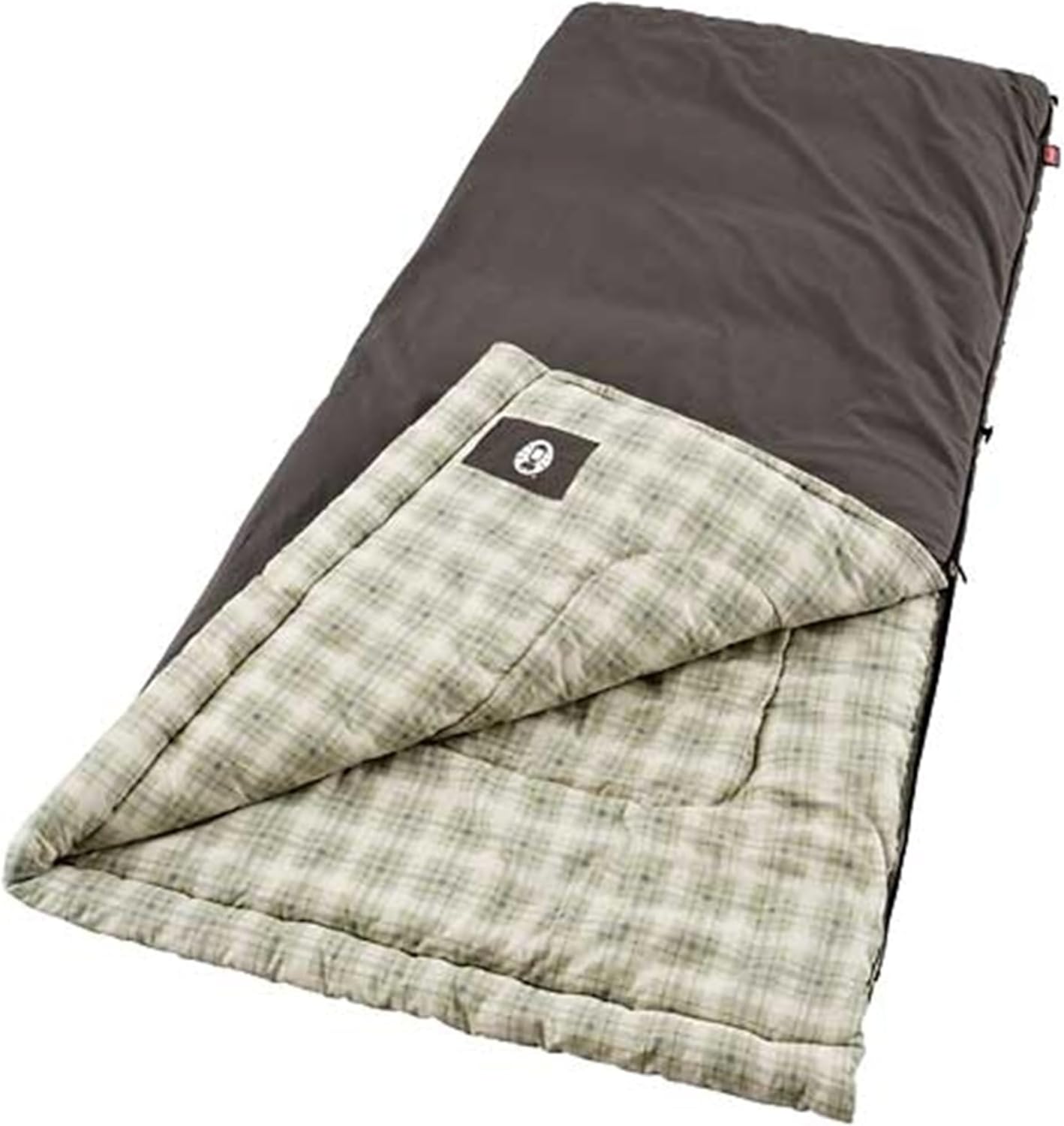
Our #1 pick: Coleman Heritage Big & Tall 10°F Flannel Sleeping Bag
 Best Camping Stoves
Simple stoves for easy camp meals.
Our #1 pick: Coleman Triton 2-Burner Propane Stove
As an Amazon Associate we earn from qualifying purchases, at no extra cost to you. Disclosure
Frequently asked questions
What should you not forget when camping?
The items people forget most are a lighter, a headlamp, tent stakes, a can opener or knife, toilet paper, warm layers for night, and enough water. A packing list by category prevents this.
What do I need to camp for the first time?
A tent, a sleeping bag and pad for each person, a stove and simple cook kit, a cooler, water, headlamps, warm clothes and rain gear, and a first aid kit.
How cold does it get at night when camping?
Often much colder than the daytime high — a 15 to 30 degree Fahrenheit drop is common, more in the mountains and desert. Check the forecast low for the campground, not the nearest city.
Is car camping good for beginners?
Yes. You park next to your site, so you can bring heavier comfort gear, and campgrounds usually have toilets and water. It's the easiest way to learn.
How much water should I bring camping?
Plan on about one gallon per person per day for drinking and cooking, plus extra for washing dishes, unless your campground has safe drinking water.